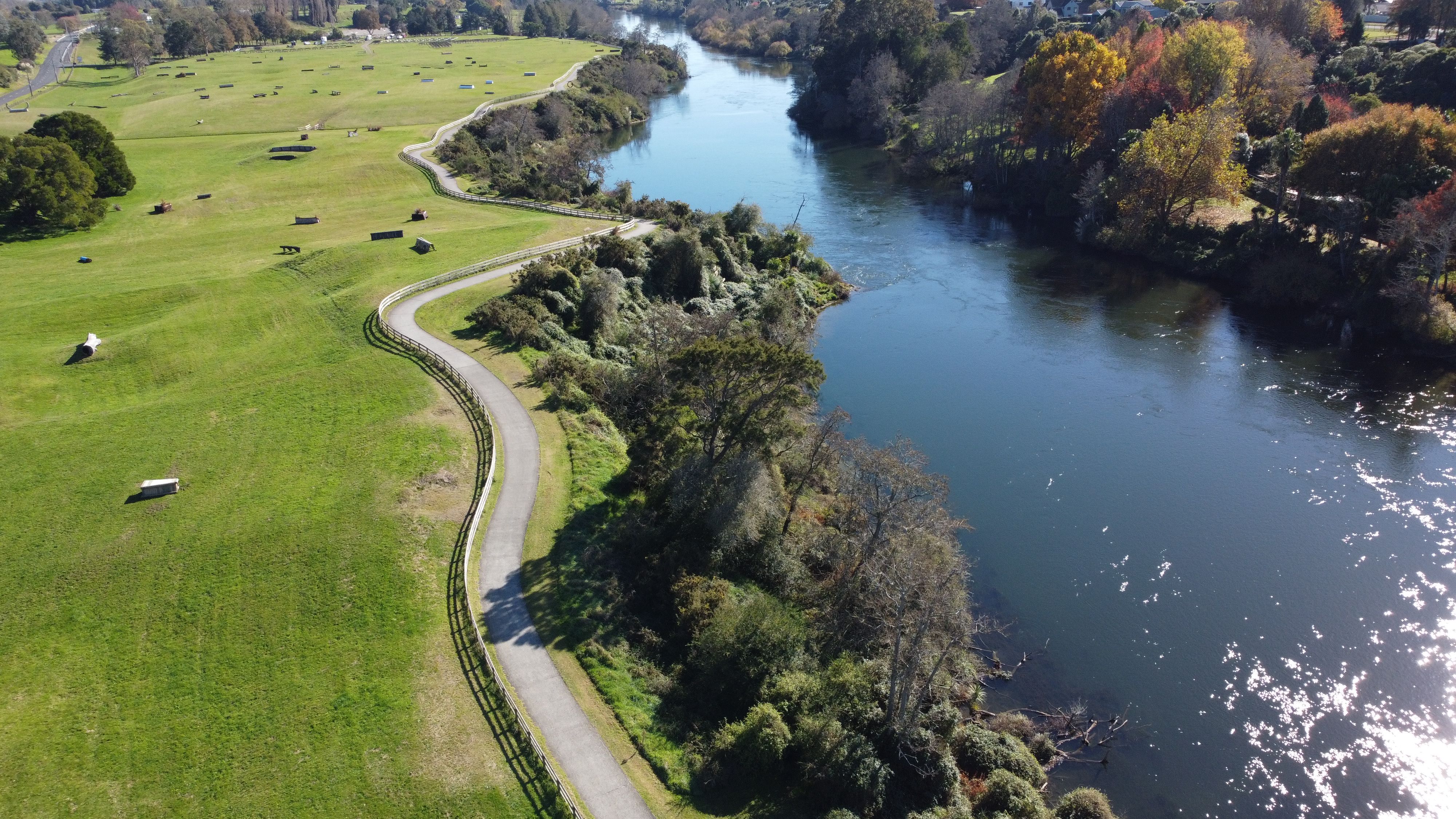
Riparian planting simply means planting the areas beside waterways - harakeke, tī kōuka, toetoe, hebe, broadleaf and more, usually natives with a mix of hardy exotics for permanence. Riparian protection is the wider job: keeping stock out with fencing and letting vegetation regenerate so the waterway is shielded from pollution and sediment.
Protection has the greatest impact on smaller waterways, where the volume of water is small relative to what's running into it. In fact, better water quality in big lowland rivers usually starts with good riparian care in the many small streams of the upper catchment - your stream matters more than you think.
Vegetation absorbs nutrients, and the grass sward that develops behind a fence filters runoff before it reaches the wai. Grasses are actually the best nutrient-strippers of all - keep them in the margin.
Tree and shrub roots knit streambanks together, while stock exclusion stops the pugging and trampling that collapse them.
Shade lowers water temperature and suppresses weed growth - better habitat for fish and invertebrates, plus cover for spawning and food for birds.
Riparian strips linked with bush remnants extend habitat and create movement corridors for native birds across the whenua.
There's no single best width. It depends on the character of the waterway: channel shape, capacity, topography and soils, and what natural vegetation is already growing there. Fence to what's practical and effective for your stream, not to a rule of thumb.
Choose plants that need little future maintenance, and if you use exotics like willows, manage them so they don't become tomorrow's problem. Retired margins are a haven for plant and animal pests - plan for long-term weed and pest control from the start, because it stays the landowner's job.
Decide which stream or wetland to protect first - small streams high in the catchment give the biggest return.
Walk it and pick the most practical, beneficial line - durable, stock-proof and out of the flood path.
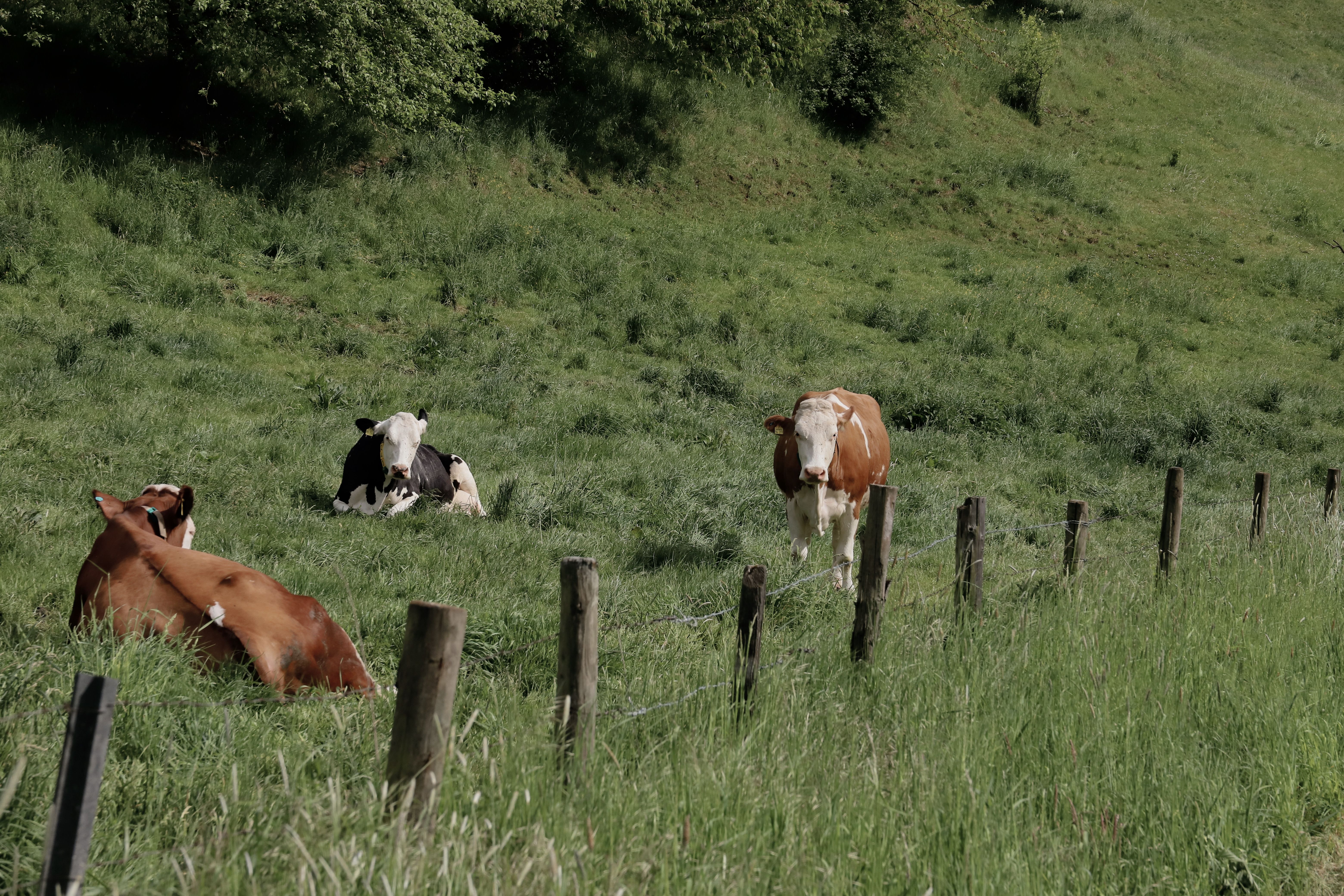
The fence does the heavy lifting: no stock means no dung in the water, no broken banks, and vegetation free to recover.
Natives for the long haul, with a grass sward kept in the margin as the nutrient filter.
Install troughs before you close the stream - stock actually do better on clean reticulated water.
Defend your plantings, especially through the first summers, and keep at it long term.
Silvopasture - from the Latin silva (forest) and pastura (grazing) - is the deliberate integration of trees, livestock and forage as a single, multi-layered production system. It's one of the oldest forms of agriculture, practised on an estimated 1.36 billion acres worldwide, and for farms on a regenerative journey it can be a powerful entry point: adding one component at a time, each addition working for the others.
Silvopasture can help mitigate livestock methane and stores significantly more carbon - in tree biomass and the soil biome - than open pasture alone.
Animals, forage and trees can each produce income. Diversity also spreads risk - an early frost that hits one crop won't take them all.
Managed grazing under trees improves soil through animal impact, while the canopy shelters stock and forage through heat and storms.
Overseas examples show where this can go: pasture developed into a diverse 'woodland' of trees feeding livestock, bearing fruit and nut crops, with nitrogen-fixing trees and shrubs alternated among them to feed the system and provide high-protein fodder. Once mature, these become some of the most productive areas on the whole farm - building soil, sequestering carbon and paying their way. The same principles apply here in Aotearoa with our own mix of natives, exotics and stock.
Fruit, nut and grazing systems covered much of central Europe historically. Colonial agriculture in the 'New World' split the land instead - open ground for grazing and crops, forest for hunting - and removed trees from farming altogether unless they were orchard or timber. Silvopasture never disappeared, though: the pecan-and-livestock systems of the southern United States are a living example of trees and grazing working as one.