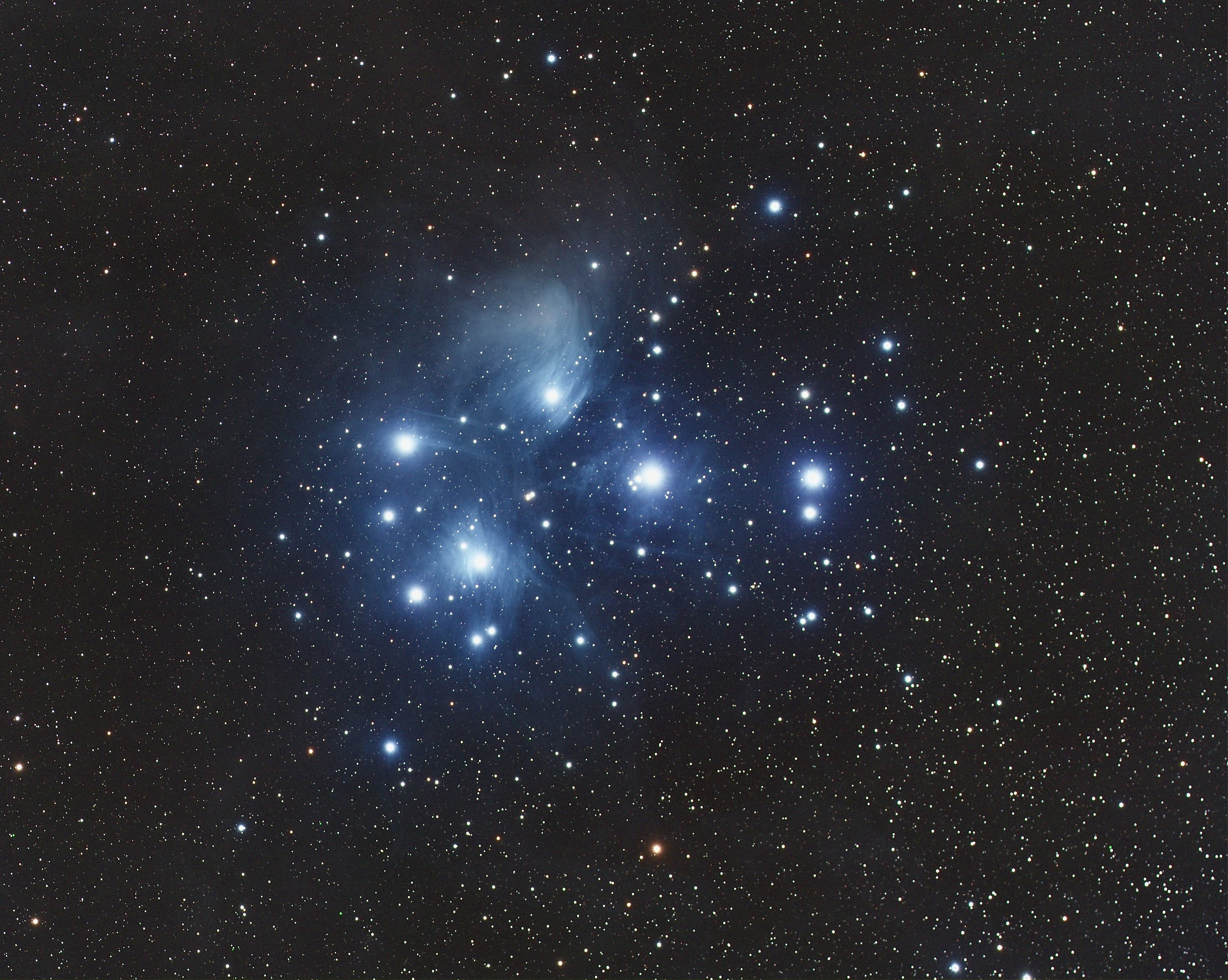
Matariki is the Māori name for a cluster of stars, also known as the Pleiades, that disappears from the night sky each autumn and returns before dawn in mid-winter. That rising marks Te Tau Hou Māori - the Māori new year - and the clarity of each star was read as a tohu for the year ahead.
Matariki is a time to remember those who have passed since the stars were last seen, to celebrate the present, and to set intentions and plans for the year to come.
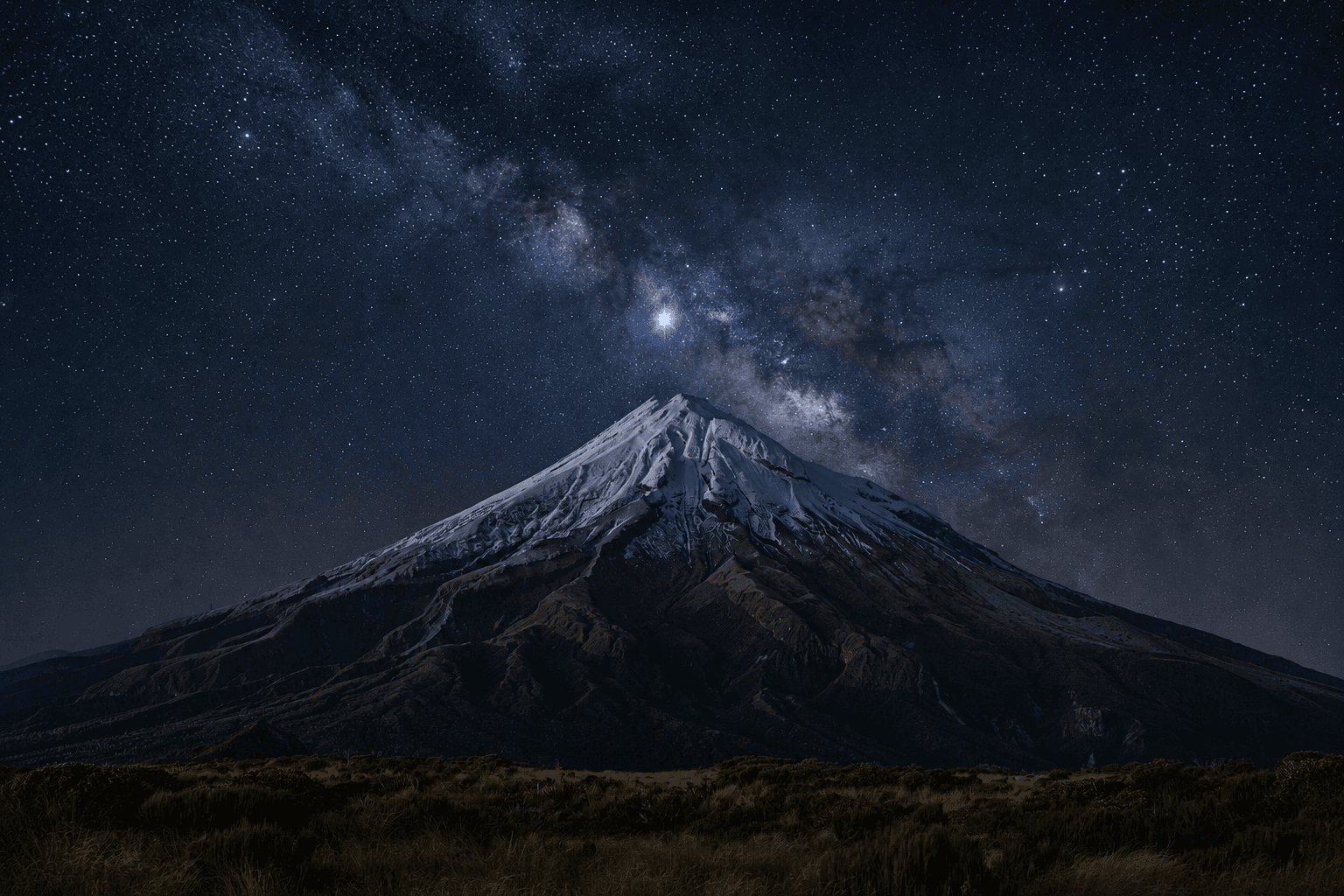
Where Matariki sits low or is hidden - as it can be behind Maunga Taranaki - iwi look instead to Puanga, the star known in English as Rigel, rising clearly in the dawn sky. Puanga has long been the tohu followed in this rohe.
Puanga marks the same turning of the year - remembrance, gratitude and renewal - but it is our own tohu, specific to Taranaki and our relationship with the maunga and the sky above it.
Twelve months, each with its own character in the whenua - from the cold of Pipiri to the harvest of Poutūterangi.
Ka pipiri ngā mea katoa i te whenua i te mātao, me te tangata.
All things on earth are contracted because of the cold; likewise man.
Kua tino mātao te tangata, me te tahutahu ahi, ka pāinaina.
Man is now extremely cold, and so kindles fires before which he basks.
Kua kitea te kainga a te ahi i ngā turi o te tangata.
The scorching effect of fire on the knees of man is seen.
Kua pūmahana te whenua, me ngā otaota, me ngā rākau.
The earth has now acquired warmth, as also have herbage and trees.
Kua tino māhana te whenua.
The earth has now become quite warm.
Kua raumati, kua kaha te rā.
It has now become summer, and the sun has acquired strength.
Kua noho ngā manu kai roto i te kōhanga.
Birds are now sitting in their nests.
Kua makuru te kai: ka kai te tangata i ngā kai hou o te tau.
Fruits are now ripe and man eats the new food of the season.
Kua tau te waewae o Ruhi kai whenua.
The foot of Ruhi (a summer star) now rests upon the earth.
Kua hauhake te kai.
The crops are now harvested.
Kua putu ngā tupu o ngā kai i ngā paenga o ngā māra.
All straw is now stacked at the borders of the plantations.
Kua uru ngā kai kai te rua, kua mutu ngā mahi a te tangata.
Crops are now stored in pits. The tasks of man are finished.
Living by the phases of the moon - when to plant, rest and gather.
Acknowledging the atua and the tapu of the work we do.
Reading the signs of the natural world - manu, rākau and sky.
The language that carries the knowledge and the worldview.
Genealogy and story that connect us to place and to tīpuna.
Learning together, kanohi ki te kanohi, sharing kai and kōrero.